

Compliance Attorney Paul St. Clair on the New TCPA Landscape
 Convoso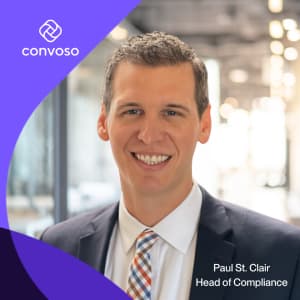
The following article is a repost from The Fast Mode and written by Paul St. Clair, Head of Compliance at Convoso.

Navigating the new TCPA landscape after the Supreme Court’s McLaughlin ruling
In June, the U.S. Supreme Court delivered a ruling in McLaughlin Chiropractic Associates, Inc. v. McKesson Corp. that fundamentally changes how federal courts interpret robocall lawsuits under the Telephone Consumer Protection Act (TCPA).
The ruling changes the legal landscape for organizations that rely on outbound calling, texting, or digital messaging campaigns.
Federal district courts are no longer required to follow the FCC’s interpretation of the act, which means each federal judge can now make independent determinations even if federal regulators have issued prior guidance on that topic.
TCPA compliance and risk mitigation, which was complicated for many organizations even before the new ruling, now varies by jurisdiction, muddying the water even further. An activity that might be legal or compliant in one jurisdiction is not necessarily compliant in another.
This singular change will have a ripple effect across legal, operational, and strategic considerations related to compliance, especially for businesses operating on a national level or using AI in their communications technologies.
Here are the highlights of what businesses need to know, along with tips for how to navigate changes brought by the recent ruling.
New legal landscape
Before the recent decision, businesses could rely on FCC rulings to determine whether a dialing system was considered an autodialer or whether DNC rules protected a mobile phone. That certainty has been lost.
Now, courts in different jurisdictions can vary dramatically in how they define these terms and apply restrictions. A company could be compliant in one district but face litigation in another, all for using the same dialing system or campaign strategy. Using the same campaign infrastructure across regions was once common, but it’s now out the window in the wake of the Supreme Court decision.
Another key takeaway from McLaughlin is the increased scrutiny around the matter of consent. Courts might now require a closer alignment between the intent behind the contact and the purpose for which consent was given.
Practically speaking, organizations need to move beyond the generalized opt-ins of the past. Detailed, purpose-specific consent is the new baseline for compliance. Companies now face legal exposure if they cannot show clear, defensible records of how consent was obtained, and for what type of contact.
Effects on tech-enabled campaigns
While the ruling does limit FCC authority, it leaves the TCPA itself more or less intact.
This means prohibitions on artificial or prerecorded voice calls without express consent are still in place. Businesses that believe the restrictions on AI use have been lifted because FCC authority has been curtailed are looking at it the wrong way. Local courts may be even more conservative in interpreting and regulating these technologies.
Businesses exploring AI voice or chatbot technologies should proceed with caution and expect plenty of legal scrutiny. The definition of “artificial voice” may change with the emergence of new technologies and further court interpretations. But the need for documented consent from consumers will not change.
Rethinking compliance should be top of mind for every company engaging in outbound campaigns following the McLaughlin ruling. Compliance must become a dynamic, strategic function, evolving away from being a simple list of boxes to be checked off.
How organizations can adapt
Organizations run various kinds of outbound calling campaigns, and the challenges they face will vary. However, there are specific steps any organization can take to rethink and redesign its compliance programs, including:
Reassessing Dialing Technology: Companies must ensure that their dialing systems are defensible under the broadest range of interpretations. Organizations should consider solutions that offer manual dialing options, built-in compliance management tools, and compliance-first features.
Refining Lead Verification: Data enrichment and intent signals can help distinguish between personal and business numbers, especially in B2B contexts where mobile lines are standard.
Precision in Consent Management: Companies should maintain detailed records of who consented, how, when, and for what purpose. Avoid relying on presumed consent from form fills or lead lists unless they’ve been validated.
Monitoring legal trends at the district level: Stay up-to-date on district-level legal developments, as the court landscape will become more fractured and plaintiff-friendly jurisdictions may pose greater risk.
Continuing to Follow STIR/SHAKEN Protocols: While FCC interpretations are no longer binding, call authentication standards and carrier blocking mechanisms remain crucial for trust and deliverability.
Litigation and ‘safe harbors’
The ruling also has implications for how companies can defend themselves in TCPA lawsuits. Businesses used to have only a limited ability to challenge FCC interpretations in court, but McLaughlin changes that. Companies can now argue for alternative readings of the TCPA, something that could override other regulatory positions.
But this new flexibility comes at a price. Unsettled legal questions can easily boost the cost, complexity, and unpredictability around TCPA litigation. Formerly “settled” issues can be re-litigated, and consistency across jurisdictions is not guaranteed.
But not all foundational elements of TCPA compliance are being reimagined. ‘Safe harbors’ still exist for companies that can show they are operating in good faith. These include:
Established Business Relationship (EBR): This is still a legally recognized safe harbor, as defined by statute.
The Troutman Nine: This best-practice framework for consent language remains highly defensible.
Responsible Enterprises Against Consumer Harassment (R.E.A.C.H.) Standards V. 3.0: A set of rules to assure maximum transparency in the lead generation process.
Post-Facebook ATDS Definition: The Supreme Court’s 2021 ruling in Facebook v. Duguid narrowed the federal definition of “autodialer,” and this remains settled at the federal level, though states may come to their own decisions.
Preparing for the future: training and technology
The McLaughlin decision marks a turning point in the recommended way businesses approach outbound communication. A single federal voice no longer governs compliance. Instead, it’s a jurisdictional chessboard that requires vigilance, agility, and strategic foresight.
Companies should adapt as quickly as they can by investing in flexible systems, legal monitoring, and gold-standard consent practices. Regular training for marketing, sales, and legal teams, updated policies, and automated DNC scrubbing tools are also indispensable.
Immediate actions organizations can take include auditing consent flows, updating their customer communication protocols, and staying in close and frequent contact with legal advisors. Participating in industry groups and legal panels can also help company leaders stay ahead of emerging trends and rulings.
TCPA has been tricky to navigate even before the McLaughlin ruling. In its wake, robust internal compliance infrastructure has gone from being a “nice-to-have” to a “must-have.”
About The Fast Mode
The Fast Mode is a leading independent research and media brand, providing breaking news, analysis and insights for global IT/telecommunications sector.
Schedule a demo
Supercharge your sales with our AI-powered contact center platform.